Putting your rhythm into practice
Soft landings
Imagine arriving in Kuala Lumpur after a demanding period at work. A gentle first day with short transfers and an early night can set the tone for the whole trip. Planning for this kind of soft landing now means you have a reliable arrival pattern you can reuse, even if future trips follow busy months or changing responsibilities.


Steady pacing rules
As you move through Malaysia, alternating fuller days with lighter ones can keep energy levels steady. We suggest simple pacing rules, such as following long travel days with flexible schedules. These rules are easy to remember and apply again, so future itineraries benefit from what you learn on your first journey.
Comfort that grows with you
Over several years, your comfort preferences may shift from budget options toward greater convenience. Choosing routes that can be upgraded with direct connections or central stays, without altering the overall shape of the trip, helps your itineraries grow with you instead of working against new needs.
Reflecting with honesty
Looking back on your trips, short notes about what worked and what you would change next time become valuable. We encourage you to record honest reflections on timing, rest, and logistics. Past performance does not guarantee future results, but these reflections give your future self clearer information when planning the next Malaysia journey.
Talk through your travel rhythm
Share your timing, comfort preferences, and future plans to shape trips that stay workable over time
If you share when you hope to travel, how you like to move, and how you imagine your
life changing in the next few years, we can help you outline a Malaysia travel rhythm
that feels realistic now and still flexible later. You stay in control of every choice
while we point out patterns, trade offs, and gentle adjustments.
Learn more
Designing Malaysia trips that stay workable over several years
Think about how you would like Malaysia travel to fit into your life over the next few years, not just this season. This page helps you design a practical rhythm for trip length, pacing, and comfort that you can reuse and gently adjust as your circumstances change.
What you will understand about long term Malaysia travel rhythm
-
Choosing trip lengths that can flex over time: Learn how to choose trip lengths that respect your current annual leave and likely changes over the next few years. We explore how to balance time in transit with time on the ground, so each journey feels full but not frantic. This helps you create itineraries that can be shortened or extended later without losing their structure.
-
Creating sustainable daily rhythms: Understand how to design daily pacing that alternates movement, activity, and rest in a way that still feels sustainable as your energy levels and travel companions shift. We look at simple patterns you can repeat, such as pairing long travel days with lighter schedules, so future trips stay enjoyable rather than exhausting.
-
Keeping routes adaptable as life changes: Discover how to select routes, stays, and transport options that can be upgraded or simplified later, depending on budget and comfort needs. By building in this flexibility now, you avoid locking yourself into arrangements that may not suit you in a few years, while still keeping today’s plans realistic and grounded.
-
Turning past trips into a living reference: Explore ways to document your experiences that go beyond photos, including short notes on timing, comfort, and logistics. These records become a practical tool when you plan your next Malaysia trip, turning past journeys into a personalised guide that grows more accurate with each visit.
-
Aligning travel patterns with wider life plans: See how to align your Malaysia travel plans with broader life goals, such as family time, personal rest, or gradual exploration of new interests. By viewing each trip as part of a longer pattern, you can make decisions today that support the kind of travel life you hope to have several years from now.
What this page covers
Imagine planning a Malaysia journey this year that becomes the template for several future trips, rather than a one off project you never quite repeat. This page explores how to design your overall travel rhythm so it can flex with changing budgets, energy levels, and companions over the next three to five years. You will learn how to choose trip lengths that still feel realistic when work or family responsibilities grow, how to build in rest without losing momentum, and how to select routes that can be upgraded with more comfort later. We also look at documenting your experiences in a way that turns each journey into a useful reference, instead of a set of scattered memories. The aim is not to predict everything, but to create patterns that stay workable as life evolves. Results may vary, yet thoughtful planning today can make tomorrow’s decisions feel calmer and more deliberate.
Why this long term pacing approach is different
Many guides focus only on what to see next; here we pay equal attention to how your travel choices will feel when you look back in three to five years. Instead of promising perfect outcomes, we highlight trade offs around time, comfort, and energy, and show how to turn each Malaysia journey into a reusable pattern. This long view helps you build trips that can flex with changing routines, rather than forcing your life to fit a rigid plan.
Real moments that show how today’s choices shape tomorrow’s Malaysia trips

Using past notes to guide new plans

Discussing future travel rhythm
A couple sits in a quiet Malaysian cafe, talking over drinks with a small list of future travel ideas on the table. This moment reflects how conversations during a trip can shape the pace and comfort of journeys they will take together several years from now.

Building rest into the plan
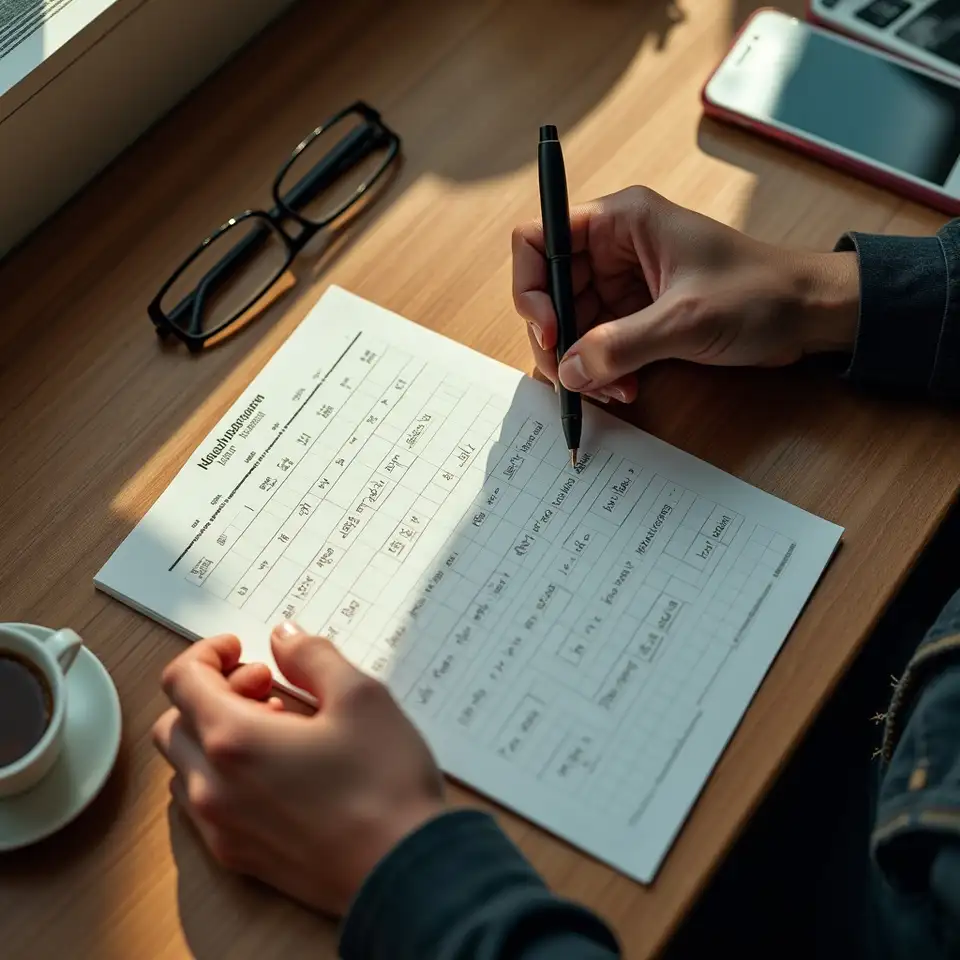
A solo traveller stretches out on a hotel bed with a small suitcase nearby, clearly taking a break after a long transfer. The image illustrates the importance of planning realistic rest into itineraries so that trips remain enjoyable and repeatable over time.

Leaving room for unplanned moments

Noting details while on the move
Planning pace and comfort for the long term
Designing a Malaysia travel rhythm that still feels right several years from now
Picture yourself looking back on several Malaysia trips five years from now and seeing a clear, calm pattern rather than a string of rushed holidays. This page focuses on how to shape your overall travel rhythm, so decisions you make about pace, comfort, and trip length today still feel right as life, work, and family responsibilities evolve.
Gentle arrivals and departures
Imagine landing after a long flight and knowing you have time to adjust before moving on. We help you structure arrival and departure days that reduce stress now and remain practical when your energy levels change later.
Balanced daily pacing
Instead of packing every day with activities, we encourage a rhythm that alternates busy days with lighter ones, so your itineraries stay enjoyable whether you repeat them in two or ten years.
Comfort that can evolve
We look at how your comfort needs might grow over time and suggest routes that can be upgraded with quicker transport or more central stays without redesigning the whole trip.
Recording your travel rhythm
By keeping simple notes on what felt rushed, relaxed, or just right, you create a reference that helps future trips fit your changing routines and responsibilities.
Trip lengths that stay realistic
Choosing trip lengths that match your annual leave now makes it easier to repeat or adapt similar journeys as your schedule shifts over the next few years.
From single itinerary to repeatable pattern
Imagine you are sketching out a Malaysia trip for later this year. You may be deciding how long you can be away, which regions to include, and how much movement feels realistic between stops. Those choices will quietly influence how easy it is to return to similar routes over the next few years. At Elorixania, we encourage you to think in patterns rather than isolated trips. If you discover that ten days with two main bases works well for you now, that structure can become your default for future Malaysia journeys, even as destinations change. By noting what felt rushed or relaxed, you gain a simple template you can repeat or gently stretch when your schedule allows. We also look at how comfort expectations evolve. Perhaps overnight buses are acceptable this year, but you suspect that in three years you will prefer short flights or direct trains. Choosing routes that can be upgraded without major redesign keeps your future options open. The same applies to stays: selecting locations that are central enough for walking now means you can later adjust quality or amenities without changing neighbourhoods. Finally, we highlight the value of small records. Writing down travel times, rest days, and how you felt at different points in the journey creates a practical logbook. When you plan again, you are not relying on vague memories but on clear notes about what truly worked for you. Over several trips, this habit turns your Malaysia travels into a steady, adaptable rhythm that fits alongside work, family, and other commitments.
Designing a rhythm that fits your life
Choosing how often to return
Start by picturing how often you might realistically visit Malaysia over the next three to five years. If you expect shorter, more frequent trips, we suggest focusing on well connected hubs and compact routes that can be repeated with small variations. If you prefer fewer, longer journeys, we look at slower pacing with more time in each region, so the effort of long haul travel feels worthwhile.
Balancing structure and freedom
Think about the balance between structure and spontaneity that suits you today and how that might shift. Building in clear anchor points, like key stays and major transfers, while leaving space for unplanned days, allows you to adjust your level of planning on future trips without starting from scratch each time.

Protecting future flexibility
Consider how your responsibilities could change. New roles at work or family commitments may reduce your flexibility. By designing itineraries that can be shortened without losing their essence, you make it easier to keep Malaysia in your life even when time feels tighter than it does now.

Share a rough idea of your future availability, comfort needs, and preferred pace, and we can help you shape a Malaysia travel pattern that still feels achievable as your circumstances evolve over the next few years.