Putting long term routes into practice
Creating a route backbone
Imagine planning a first Malaysia itinerary that you hope to repeat in a few years with different companions. Starting with a clear sequence of hubs and key legs makes it easier to adjust stays and activities later while keeping the familiar backbone of the journey in place.

Refining with real experience
As you travel, small notes about which transfers felt tight, which stations were confusing, or where you enjoyed a slower morning can guide future adjustments. These observations help you refine your route pattern over time so it reflects your real preferences rather than generic advice.
Allowing for comfort upgrades
Over several trips, your comfort expectations may shift from long shared rides toward shorter, more direct connections. Designing routes that can be upgraded with different transport options between the same points allows your itineraries to evolve with you without losing their overall shape.
Keeping room for change
Looking ahead, there may be years when you have less time or flexibility than you do now. By building routes that can be shortened or extended without losing their logic, you keep room for Malaysia in your life, even when circumstances tighten. Results may vary, but a thoughtful route pattern can make future decisions feel steadier.

Talk through your route ideas
Share your rough route ideas so we can help you shape connections that stay workable over the next few years
Long term route planning across Malaysia
Designing Malaysian routes that stay practical as your life and travel options evolve
Imagine looking back on your Malaysia travels five years from now and seeing a clear story of how your choices around transport and connections made each journey smoother. This page focuses on building routes that are practical today and still workable as prices, schedules, and your own routines shift over time.
Calm airport transitions
Design arrival and departure days that reduce stress now and remain realistic as your energy levels and flight options change in the coming years.
Reliable travel hubs
Choose hubs that connect easily to multiple regions, so future trips can reuse familiar routes instead of starting again from zero.
Realistic timing notes
Keep simple records of actual travel times and comfort levels, giving your future self grounded data when planning again.
Flexible route options
Build in backup options for key legs, so shifting schedules or budgets do not force you to abandon the whole itinerary later.
Real planning moments that show how today’s routes shape tomorrow’s Malaysia journeys

Sketching a reusable route

Using past journeys to guide new routes

Planning backup connections
A solo traveller stands at a station timetable board, comparing several departure options and marking alternatives in a small notebook. The moment illustrates how noting backup choices during a trip can make future itineraries more resilient to change.

Sharing a clear route outline

Noting how each leg really feels
A traveller sits by the window on a Malaysian train, writing brief notes about journey time, crowd levels, and comfort. These reflections become a practical reference when planning future routes along the same line.

Designing shared routes for future trips
Building reusable Malaysian routes
As you travel, noting actual journey times, delays, and how each leg felt gives you a personal reference you can rely on later. When prices, timetables, or your own needs change, you can adjust transport types or overnight stops while keeping the same overall route shape that you already know works for you.

Core ideas for long term routing
Picking reliable hubs
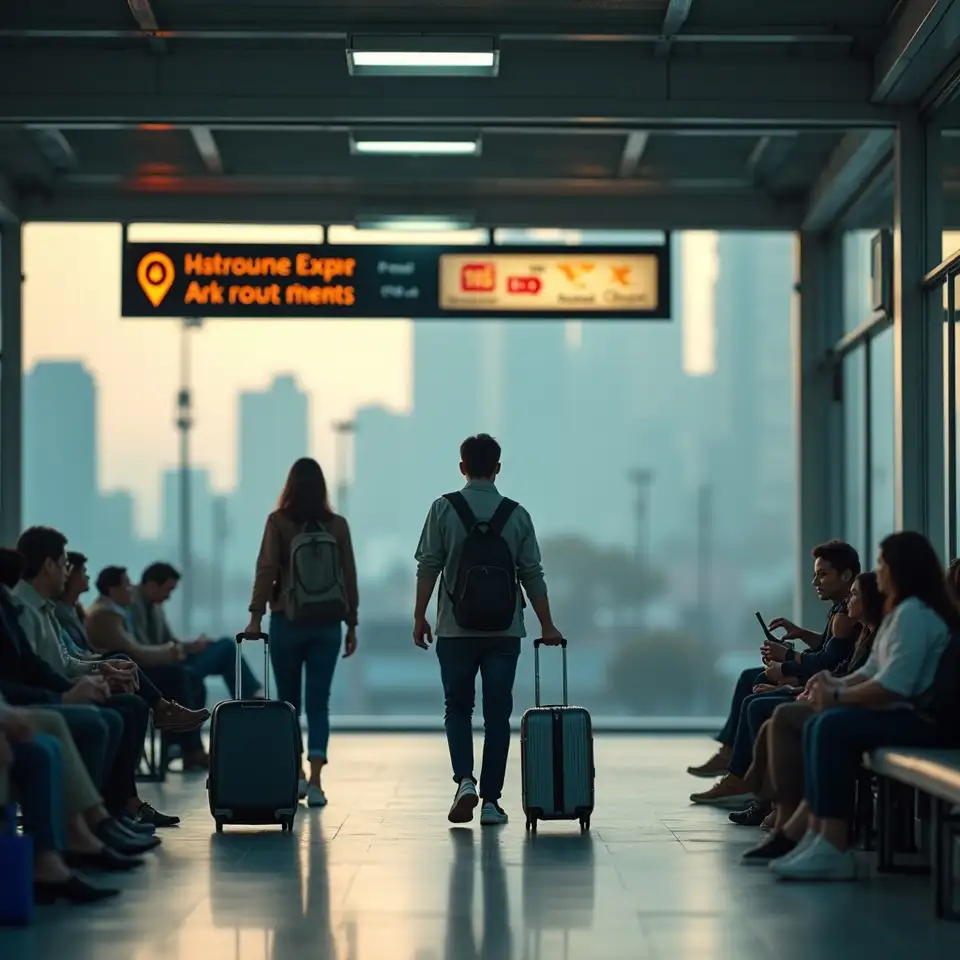
Picture arriving in Kuala Lumpur after a long flight and knowing exactly which hub you will use as your base, both for this trip and likely for future ones. By choosing hubs with good onward links and a pace that suits you, you create anchor points that make later itineraries feel familiar, even when destinations change.
Shaping realistic legs
Think about how it feels to rush between buses, trains, and boats compared with having time for a meal and a short walk. We focus on travel days that balance movement and rest, so routes you design now still feel realistic if your energy levels shift or you travel with children, parents, or friends in the coming years.
Recording route experience
Consider the value of noting which connections felt smooth, which stations were easy to navigate, and where you appreciated an extra night. These details turn your route into a reference you can revisit, helping future trips feel more predictable without removing room for discovery.
Preparing backup options
Imagine having a clear backup for each critical leg, such as an alternative departure time or a different transport mode between the same points. Planning these options now means that when schedules, budgets, or circumstances change, you can adjust individual segments instead of abandoning the whole trip. Past performance does not guarantee future results, yet flexible routes can make changes less disruptive.